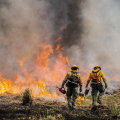
In the bustling city of Portland, Oregon, ensuring the safety of commercial buildings is paramount, especially when it comes to fire emergencies. Understanding fire safety protocols is not just a regulatory requirement; it is a critical component of protecting lives and property. Commercial buildings, which often house numerous employees and customers, must have comprehensive fire safety measures in place to mitigate risks and respond effectively in the event of a fire. Firefighters in Portland, Oregon, are trained to handle a variety of emergency situations, but their effectiveness is greatly enhanced when businesses adhere to established fire safety protocols. These protocols include regular fire drills, proper installation and maintenance of fire alarms and suppression systems, and clear evacuation plans.
By familiarizing themselves with these procedures, employees can act swiftly and decisively during a crisis, minimizing panic and ensuring a safer environment for everyone. Moreover, the collaboration between local businesses and the Portland Fire Bureau plays a crucial role in enhancing community safety. Regular inspections and training sessions conducted by firefighters help businesses stay compliant with fire codes while also educating staff on best practices. This proactive approach not only prepares commercial buildings for potential emergencies but also fosters a culture of safety that can significantly reduce the likelihood of fire incidents.
Immediate Actions to Take During a Fire Emergency
When a fire is detected in a commercial building, immediate action is crucial to ensure the safety of all occupants and minimize damage. The first step is to activate the fire alarm system if it hasn’t already been triggered.This alerts everyone in the building to evacuate promptly.Next, call 911 to report the fire. Provide the dispatcher with essential information, including the building's address, the nature of the fire, and any details about potential hazards. In Portland, Oregon, firefighters are trained to respond quickly to such emergencies, so your timely call can make a significant difference.Once the alarm is activated and emergency services are notified, it’s vital to evacuate the building immediately. Follow these steps:
- Stay Calm: Panic can lead to poor decision-making.
Encourage others to remain calm as well.
- Use Designated Exits: Always use the nearest safe exit. Avoid using elevators during a fire.
- Assist Others: Help those who may need assistance, such as individuals with disabilities or children.
- Close Doors: If possible, close doors behind you as you exit to help contain the fire.
Understanding these immediate actions can significantly enhance safety during a fire emergency.
Evacuation Procedures for Commercial Buildings
In the event of a fire in a commercial building, having a well-defined evacuation procedure is crucial for ensuring the safety of all occupants.Firefighters in Portland, Oregon
, emphasize the importance of preparedness and adherence to established protocols.1.Establishing an Evacuation Plan
- Every commercial building should have a clearly marked evacuation plan that is easily accessible to all employees and visitors.
- The plan must include designated exit routes, assembly points, and procedures for assisting individuals with disabilities.
2.Regular Drills
- Conduct regular fire drills to familiarize employees with the evacuation procedures. This practice helps to ensure that everyone knows how to respond quickly and efficiently in an emergency.
- Drills should be evaluated to identify areas for improvement and ensure compliance with local regulations.
3.Communication During an Emergency
- Establish a reliable communication system to alert occupants of a fire. This can include alarms, intercom systems, or text alerts.
- Designate specific personnel to lead the evacuation and communicate with firefighters in Portland, Oregon, upon their arrival.
4.Post-Evacuation Procedures
- Once evacuated, all individuals should proceed to the designated assembly point and remain there until accounted for.
- Do not re-enter the building until it has been declared safe by emergency personnel.
It is essential for businesses in Portland to stay informed about local fire codes and collaborate with local firefighters to ensure that their plans are effective and compliant.
Role of Firefighters in Portland, Oregon
In Portland, Oregon, the role of firefighters extends beyond merely extinguishing flames; they are integral to the overall safety and emergency response framework within commercial buildings. When a fire alarm is triggered, the fire response team is activated, and their first priority is to assess the situation quickly and efficiently.Firefighters in Portland are trained to work closely with building management to ensure a coordinated response. This collaboration is crucial for several reasons:- Understanding Building Layout: Firefighters familiarize themselves with the layout of commercial buildings, including exits, stairwells, and potential hazards. This knowledge allows them to navigate the premises swiftly during an emergency.
- Access to Key Information: Building management can provide vital information about the building's fire safety systems, such as sprinkler systems and alarm panels, which can significantly aid firefighters in their response efforts.
- Evacuation Procedures: Firefighters often work with building management to implement effective evacuation procedures.
They ensure that all occupants are safely evacuated while minimizing panic and confusion.
Post-Fire Response and Recovery Steps
Once the fire has been extinguished, the post-fire response phase begins, which is crucial for ensuring safety and initiating recovery. The first step is to wait for the firefighters in Portland, Oregon, to declare the area safe before re-entering the building.This is essential to avoid any potential hazards such as lingering smoke or structural instability.After receiving clearance, property owners should conduct a thorough damage assessment. This involves:
- Documenting Damage: Take photographs and videos of all affected areas. This documentation will be vital for insurance claims and recovery efforts.
- Assessing Structural Integrity: Engage a professional to evaluate the building's structure. Fire can compromise walls, ceilings, and foundations, making it critical to ensure safety before any repairs.
- Identifying Hazardous Materials: Check for any hazardous materials that may have been exposed or released during the fire, such as asbestos or chemicals.
Provide them with all necessary documentation and cooperate with their investigation.In collaboration with local firefighters in Portland, Oregon, you may also want to consider:
- Fire Investigation: Work with fire officials to understand the cause of the fire. This can help prevent future incidents and may be required for insurance purposes.
- Community Resources: Reach out to local organizations that assist businesses in recovery. They can provide resources and support during this challenging time.
Frequently Asked Questions About Fire Protocols in Portland
When it comes to fire safety in commercial buildings, understanding the protocols is crucial for both employees and management.Here are some frequently asked questions regarding fire protocols in Portland, Oregon:
- What should I do if I see smoke or fire?
Immediately activate the nearest fire alarm pull station and evacuate the building. Call 911 to report the fire, providing clear details about the location and nature of the fire. - How often should fire drills be conducted?
In Portland, it is recommended that commercial buildings conduct fire drills at least twice a year. This ensures that all employees are familiar with evacuation routes and procedures. - What are the responsibilities of firefighters in Portland, Oregon?
Firefighters in Portland are trained to respond quickly to fires, conduct rescues, and ensure public safety. They also perform inspections and provide education on fire prevention measures. - Are there specific regulations for fire safety in Portland?
Yes, Portland follows the Oregon Fire Code, which outlines specific requirements for fire safety systems, emergency exits, and occupancy limits in commercial buildings. - What should be included in a fire safety plan?
A comprehensive fire safety plan should include: - Emergency contact information
- Evacuation routes and assembly points
- Fire extinguisher locations
- Training procedures for employees
Regular training and adherence to local regulations will not only protect lives but also minimize property damage in the event of a fire.
Conclusion: Key Takeaways on Fire Response Protocols
In summary, understanding the fire response protocols in commercial buildings is crucial for ensuring the safety of employees, customers, and property. The following key takeaways encapsulate the essential elements of effective fire response:- Preparation is Key: Regular fire drills and training sessions for all staff members can significantly enhance readiness. Familiarity with evacuation routes and emergency procedures can save lives.
- Immediate Action: In the event of a fire, it is vital to activate the fire alarm system immediately. This alerts both occupants and local firefighters in Portland, Oregon, ensuring a swift response.
- Evacuation Procedures: Employees should know the designated assembly points and follow a clear evacuation plan.
It’s important to remain calm and assist others when possible.
- Communication with Firefighters: Upon their arrival, providing firefighters in Portland, Oregon with accurate information about the building layout and any potential hazards can facilitate a more effective firefighting effort.
- Post-Incident Review: After a fire incident, conducting a thorough review of the response can help identify areas for improvement. This includes evaluating the effectiveness of training and communication strategies.